Robert Mueller
The world has seen plenty of change since the internet was first introduced, and now many people don’t know anything else other than a digital life that has become central to work, education, entertainment, and commerce. Due to this, more people are realizing that high-speed internet is no longer a luxury; it’s an essential public utility.
In America’s largest cities, in particular, demand for faster, more reliable connections is surging, driven by remote work, cloud services, streaming media, smart infrastructure, and connected devices. What once felt like a luxury upgrade is now a core part of how cities operate and grow.
Here’s a look at how high-speed internet is evolving in major urban centers and what the future holds.
Rising Demand in Urban Environments
Urban populations are growing, and with them comes a massive increase in internet usage. Dense concentrations of businesses, residents, and institutions require robust networks that can handle heavy traffic without lag or interruption. Whether residents are video conferencing, students are attending online classes, or businesses are managing cloud-based systems, cities need connectivity that can keep pace with these demands.
The result? A shift toward next-generation broadband technologies that can deliver both speed and reliability.
Fiber Optic Networks Take Center Stage
While cable and DSL services have long served as the backbone of urban internet, their limitations are becoming increasingly apparent. Congestion during peak hours, slower upload speeds, and signal degradation over distance can all hinder performance, especially in densely populated city neighborhoods, like LA.
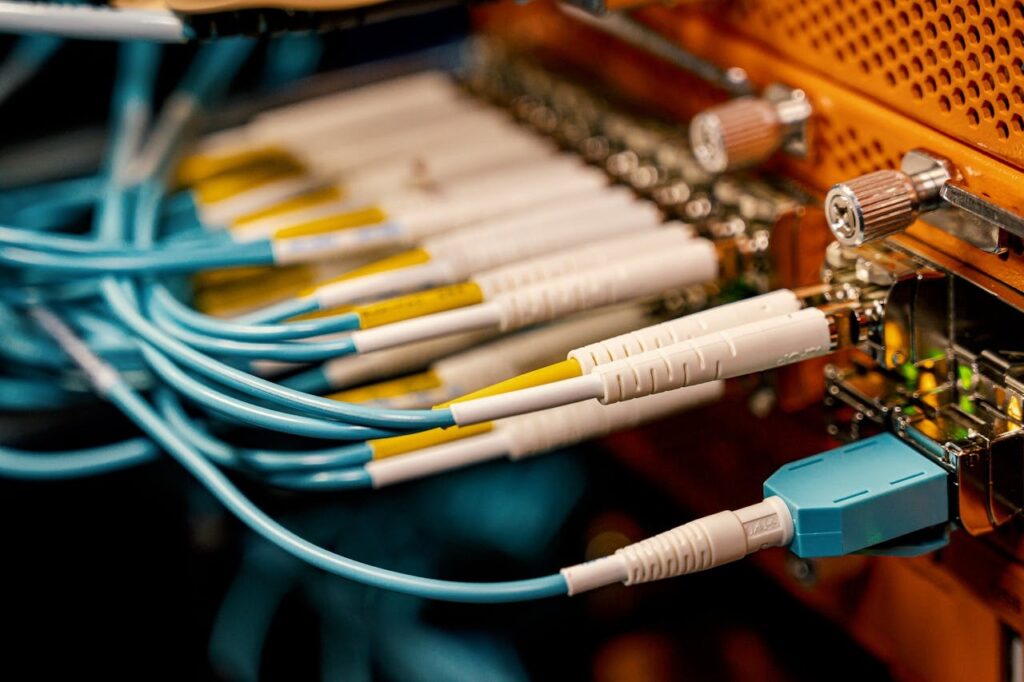
Fiber optic networks are rapidly becoming the preferred option in places like this because they use pulses of light through glass or plastic cables to transmit data at high speeds with minimal loss. Unlike traditional technologies, LA fiber internet providers can deliver symmetrical upload and download speeds, making it ideal for modern uses such as real-time collaboration, cloud services, and high-definition streaming.
Smart Cities and Connected Infrastructure
The future of urban life is smart, and smart cities require smart connectivity. From traffic sensors and public safety networks to environmental monitoring and energy management systems, connected infrastructure depends on high-speed networks to function effectively.
High-bandwidth, low-latency connections enable cities to implement real-time data systems that improve quality of life, reduce costs, and enhance sustainability. For example, responsive transit systems, adaptive energy grids, and connected public services all rely on strong internet performance.
Economic Growth and Innovation Hubs
High-speed internet does more than support day-to-day activities. Urban centers with advanced connectivity attract tech companies, startups, remote workers, and creative talent seeking the infrastructure they need to compete in a digital economy. After all, having access to fast, reliable broadband can be a deciding factor for businesses choosing where to locate operations or expand services.
What It Means for Residents and Businesses
For residents, high-speed internet delivers more than faster downloads. They get seamless telehealth services, reliable remote learning, and immersive entertainment experiences, just to name a few. For businesses, it supports customer engagement, workflow efficiency, and participation in the global market. As demand continues to climb, cities that embrace advanced broadband infrastructure stand to benefit most from future digital growth.
Looking Ahead
The future of high-speed internet in America’s largest cities is about speed, but it’s also about resilience, equity, and opportunity. Networks will need to support emerging technologies like augmented reality, 8K streaming, real-time AI tools, and next-generation business platforms. As these technologies evolve, so too must the connectivity that underpins them.
Urban centers that rise to this challenge, through policy, innovation, and community investment, will define the next era of digital life in America.
About Author


 Steven Schuster