ACR Poker and Crypto Poker Trends: The Evolution of Digital Assets in Online Gaming
 Robert Mueller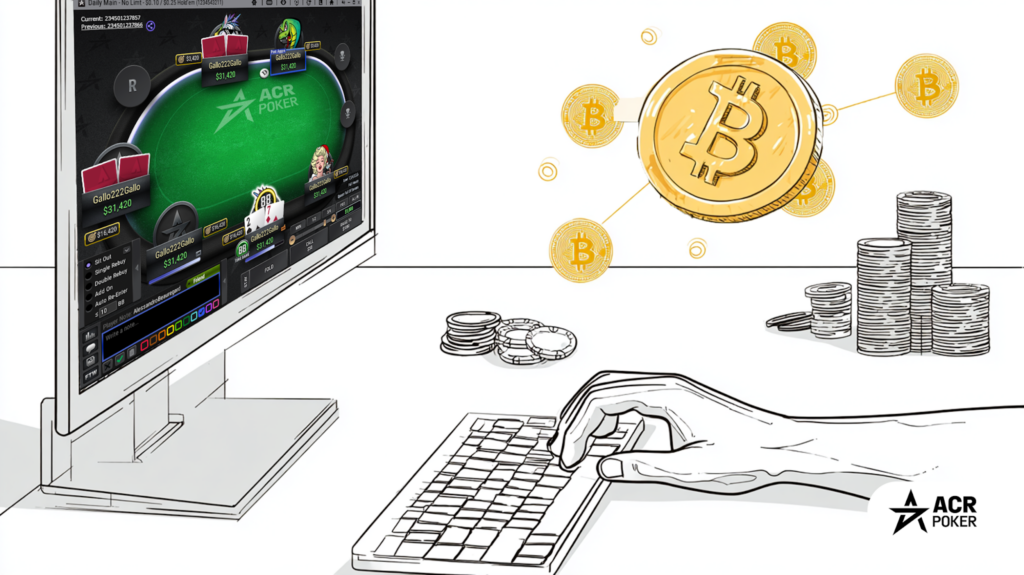
Summary
Cryptocurrency adoption is rapidly transitioning from speculative trading into a phase of functional digital utility. A prime example is ACR Poker, where the rise of crypto poker is fundamentally altering payment processing, platform architecture, and global accessibility. This analysis explores current industry trends, the impact of various digital tokens on player behavior, and what these shifts signal for the future of blockchain-integrated gaming.
Introduction
While digital asset markets are often evaluated through price charts, the true measure of their longevity is real-world application. ACR Poker offers a high-frequency, transaction-heavy environment where these assets serve as active currency rather than static investments. The growth of crypto poker acts as a case study for the practical use of blockchain as a payment tool, demonstrating how the technology is refined and adopted within consumer-centric markets.
Diversification Beyond Bitcoin
While Bitcoin was the initial driver of adoption, modern platforms now support a broad spectrum of assets. Ethereum, Litecoin, and various stablecoins have become standard alternatives, reflecting a general diversification in the digital economy. This evolution mirrors trends in decentralized finance, where users demand more choice. Providing multiple asset options allows players to select payment methods that align with their specific speed preferences and risk tolerance.
The Rise of Stablecoins and Volatility Control
One of the most significant trends in crypto poker is the shift toward stablecoins. These assets resolve the challenge of market volatility by maintaining a pegged value, making them ideal for daily transactions. For online players, stablecoins enable more accurate bankroll tracking and predictable entry fees. Their popularity indicates that users are prioritizing financial stability and utility in their everyday digital activities.
Speed and the Modern Player
As blockchain technology matures, the demand for efficiency has intensified. Players in the crypto poker space now expect near-instant transactions. Deposits must be available immediately, and withdrawals should bypass the delays inherent in traditional banking. This demand for speed has pushed the industry to prioritize network scalability and performance, ensuring digital assets can keep pace with fast-paced online gaming.
Expanding Global Liquidity
Crypto poker serves as a powerful tool for financial inclusion, reaching players in regions where traditional banking is inaccessible. Because decentralized payments are borderless, they facilitate a larger and more diverse player pool. This global reach maintains high liquidity and ensures active games across all time zones, highlighting the ability of cryptocurrency to create a unified marketplace independent of legacy financial systems.
Security and the Self-Custody Movement
The move toward digital assets has fostered a more informed user base. Players are increasingly educated on wallet management and the importance of private key protection. This rise in digital literacy is central to the crypto poker experience, emphasizing personal responsibility and secure verification. It reflects a broader shift where users take full control of their own financial security.
Multi-Asset Bankroll Management
With support for various coins, fund management strategies have evolved. Many players now split their bankrolls by asset type, keeping volatile tokens separate from transactional stablecoins. This strategic approach mirrors the habits of professional investors who balance portfolios to mitigate risk while maintaining the liquidity required for daily play.
The Impact of Regulation
The industry’s evolution is also shaped by the changing legal landscape. New compliance standards and reporting requirements influence supported assets and platform operations. These factors ensure the steady integration of blockchain into the mainstream gaming world, following a trajectory similar to the regulated fintech sector.
Blockchain Performance in the Real World
Unlike passive investing, crypto poker requires the constant, functional use of digital tokens. This makes the industry an ideal testing ground for blockchain’s practical application. ACR Poker leads in this area, demonstrating how payment systems perform under heavy, real-world usage rather than theoretical conditions.
Industry Evolution: Legacy vs. Modern Crypto Poker
| Feature | Early Crypto Poker (2014-2018) | Modern Crypto Poker (2025-2026) |
| Asset Support | Bitcoin Only | Multi-chain (BTC, ETH, LTC, USDC) |
| Volatility Risk | High (Market Dependent) | Managed (Via Stablecoins) |
| Transaction Speed | 10–60 Minutes | Seconds to Minutes |
| User Education | Niche/Technical | Mainstream/Self-Custody Focused |
Conclusion
Current trends highlight a major shift toward the practical utility of digital assets. From the adoption of stablecoins to the demand for faster payments, online gaming is proving to be the optimal environment for blockchain integration. As technology matures, its role in this industry provides a clear view of how cryptocurrency is transitioning from an investment narrative into a vital tool for digital services.
About Author




 Steven Schuster